Perpetual vs Periodic Inventory in ERPNext: A Practical, Accounting-Driven Explanation
Inventory valuation is not just a stock topic - it directly shapes your Profit & Loss, Balance Sheet, audit trail, and management decisions.
ERPNext’s Two Inventory Accounting Perspectives: Perpetual vs Periodic
ERPNext supports both Perpetual and Periodic Inventory systems, but choosing the wrong one can quietly distort financials even if operations look fine on the surface.
This blog explains Perpetual vs Periodic Inventory in ERPNext from a real accounting and business impact perspective, with transaction-level clarity and industry-wise guidance.
Strategic Comparison
Stock Valuation
Perpetual Inventory Real-time
Periodic Inventory Period-end
COGS
Perpetual Inventory Automatic
Periodic Inventory Manual
Audit Readiness
Perpetual Inventory High
Periodic Inventory Medium to Low
Management Reporting
Perpetual Inventory Strong
Periodic Inventory Weak
ERP Dependency
Perpetual Inventory High
Periodic Inventory Low
Scalability
Perpetual Inventory Excellent
Periodic Inventory Poor
Why Inventory Method Matters More Than Most Businesses Realize
Inventory is usually the largest moving asset in trading and manufacturing businesses.
The method you choose determines:

When Cost of Goods Sold (COGS) is booked
Whether stock appears in real time on the Balance Sheet
How accurate your gross margin is on any given day
Whether your books can survive an audit without explanations
ERPNext does not force one method. It forces discipline.
Two Ways to Look at Inventory
At a high level:
Perpetual Inventory tracks stock and value continuously, transaction by transaction
Periodic Inventory tracks stock periodically, usually at month-end or year-end
But the real difference lies in accounting automation.
Perpetual Inventory in ERPNext
What Perpetual Inventory Means
Under Perpetual Inventory, every stock movement automatically creates accounting entries.
Stock is always:
Quantitatively correct (Stock Ledger)
Valuationally correct (General Ledger)
ERPNext treats inventory as a live asset, not a year-end adjustment.
How ERPNext Works in Perpetual Inventory
Once Perpetual Inventory is enabled at the Company level.
Stock accounts are linked at Item Group / Warehouse
ERPNext auto-posts accounting entries for stock transactions
Manual stock valuation entries are not required
Transaction-Level Impact
Purchase Receipt (PR)
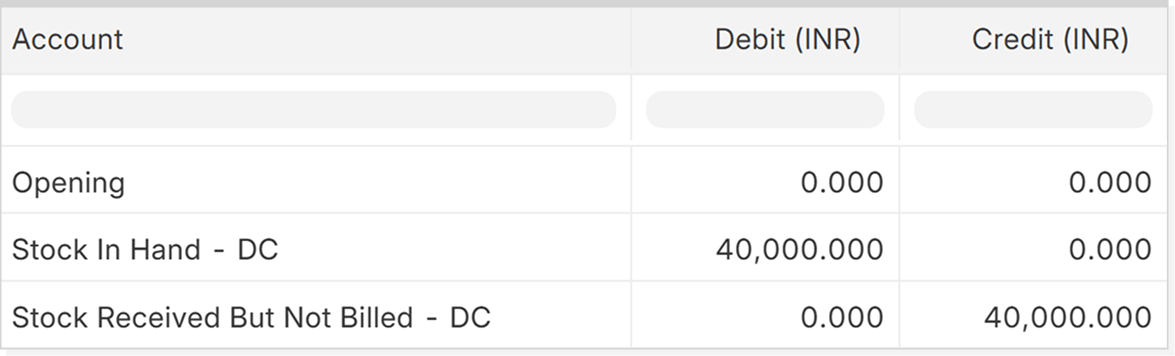

Stock In Hand Dr
Stock Received But Not Billed Cr
Stock value increases immediately.
Purchase Invoice (PI)
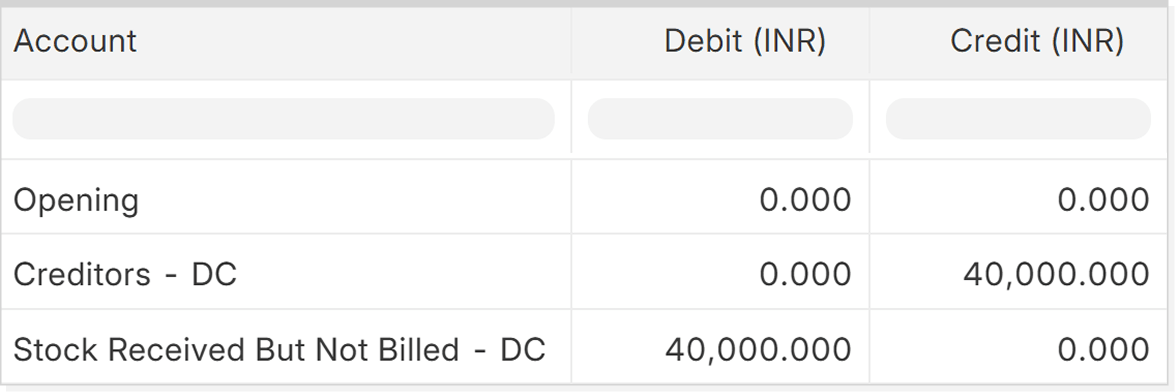
Stock Received But Not Billed Dr
Supplier Cr
No stock value impact here (already booked at PR).
Delivery Note (DN)
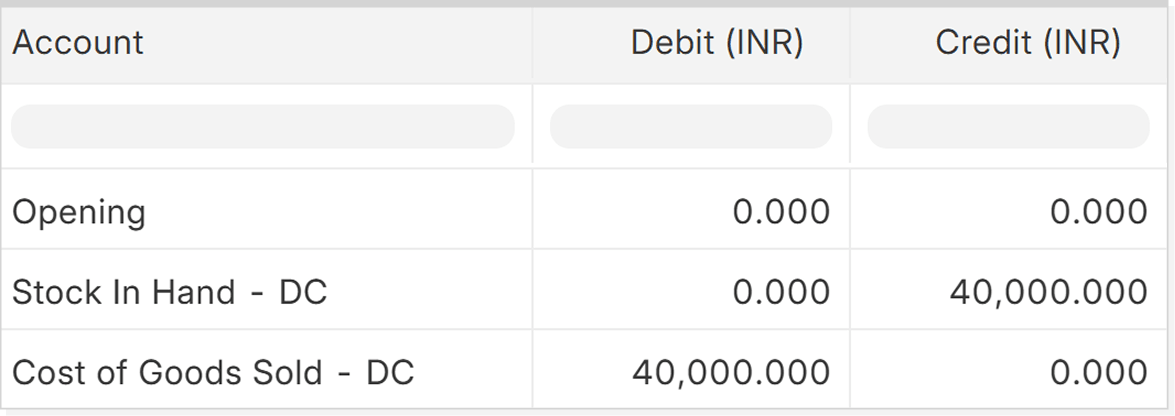
Cost of Goods Sold Dr
Stock In Hand Cr
Stock reduces the moment goods leave the warehouse.
Sales Invoice (SI)
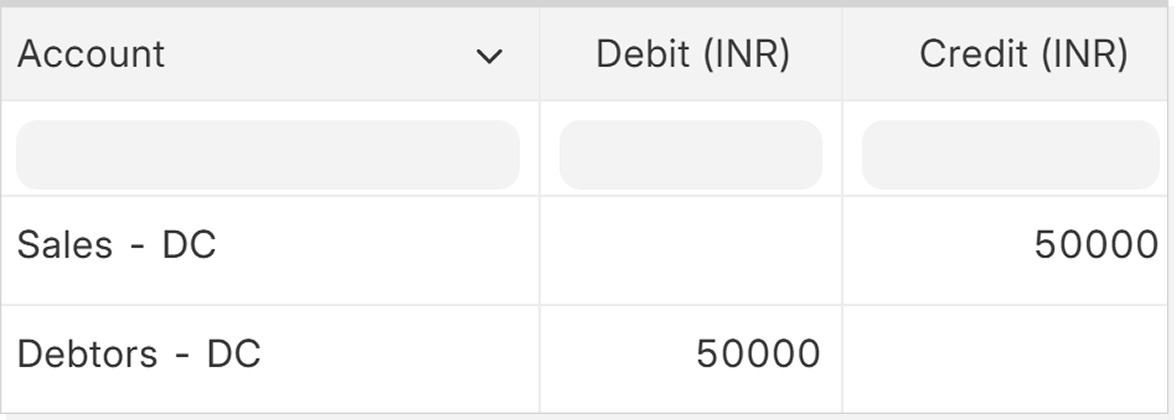
Customer Dr
Sales Cr
Revenue and cost are perfectly matched in real time.
Why Perpetual Inventory Is Powerful
Real-time Gross Profit
Always-correct Balance Sheet
No month-end stock adjustment entries
Strong audit trail
Works seamlessly with FIFO / Moving Average valuation
Ideal for ERP-driven operations
Industries Where Perpetual Inventory Is the Best Fit
Perpetual Inventory works best when:
Stock value is material
Transactions are frequent
Financial visibility is critical
Best suited industries
Manufacturing (Discrete & Process)
FMCG & Retail chains
Trading & Distribution
Pharmaceuticals
Electronics & Components
E-commerce & D2C brands
In short:
If management asks, “What is our margin today?” Perpetual Inventory is non-negotiable.
Periodic Inventory in ERPNext
What Periodic Inventory Means
In Periodic Inventory, stock movements do not create accounting entries.
Inventory value is:
Physically tracked
Financially adjusted only at period-end
ERPNext behaves more like a record keeper, not an accounting brain.
How ERPNext Works in Periodic Inventory
When Perpetual Inventory is disabled:
Purchases are booked directly as Expense
Sales recognize only Revenue
Stock accounts remain untouched during the period
Inventory valuation happens via Stock Reconciliation or Journal Entry
Transaction-Level Impact
Purchase Invoice
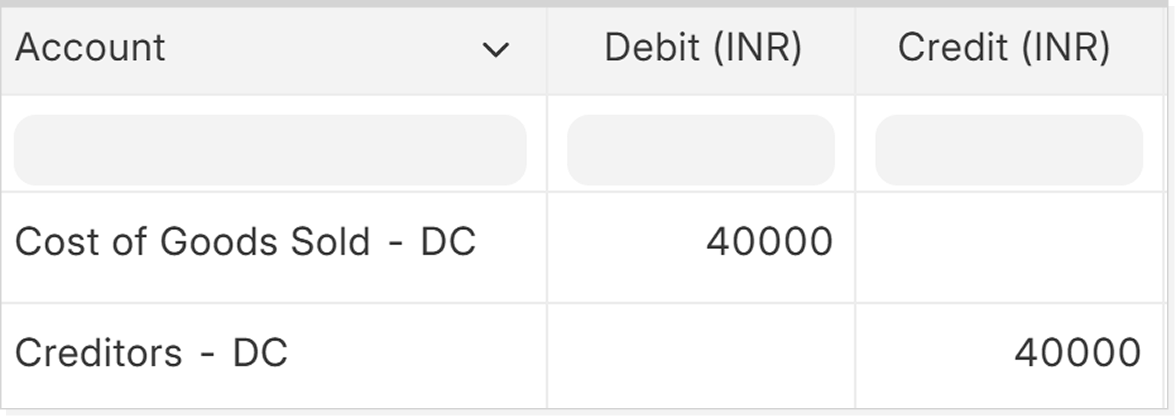
Purchase Expense Dr
Supplier Cr
No Stock In Hand entry.
Sales Invoice
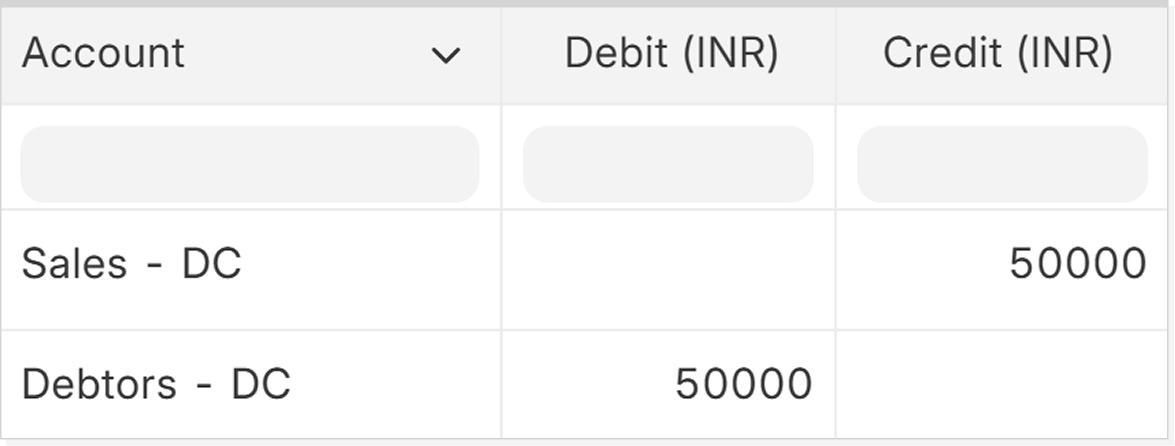
Customer Dr
Sales Cr
No COGS entry.
Period-End Stock Adjustment

Stock In Hand Dr / Cr
COGS Cr / Dr
This single adjustment tries to “fix” the entire period.
Limitations of Periodic Inventory

No real-time gross margin
The Balance Sheet stock is inaccurate during the period
High dependency on physical stock counts
Weak audit trail
Not suitable for high-volume businesses
Month-end pressure and reconciliation risks
Industries Where Periodic Inventory Still Makes Sense
Periodic Inventory can still be practical when:
Inventory value is low
Transactions are minimal
Accounting simplicity is preferred over precision
Suitable industries
Small traders
Service businesses with incidental materials
Job-work focused operations
Traditional businesses migrating from manual accounting
Very small retail setups
This is more of a cost-saving compromise, not a best practice.
Final Recommendation
ERPNext is designed first for Perpetual Inventory.
Periodic Inventory exists mainly to support legacy accounting behavior.
If:
You want accurate margins
You want confidence in financials
You want to scale operations
Perpetual Inventory is not an option - it’s a foundation.
Periodic Inventory should only be chosen consciously, with full awareness of its limitations.
Let’s Talk
Schedule a free consultation call with our experts to find out more about this incredible ERP platform.
Author

Krish is an ERPNext Consultant who specializes in building efficient, customized business systems. He's known for turning complex processes into simple, automated, and scalable solutions.
Share


Related post

ERPNext
What Business Leaders Learned from Frappe Yatra Ahmedabad 2026
See how ERPNext, open source software, and automation help businesses standardize processes and improve decision-making.


2nd June, 2026

6 min read

ERPNext
The Real Cost of ERPNext Implementation in 2026
A Strategic Executive Briefing on TCO, ROI, and Operational Scalability

16th April, 2026
5 min read

ERPNext
ERPNext v16 Accounting: A CFO's: Upgrade Finance Book
A Strategic Deep Dive into Financial Control, Closing Efficiency, and Governance in ERPNext v16
17th February, 2026
5 min read


